


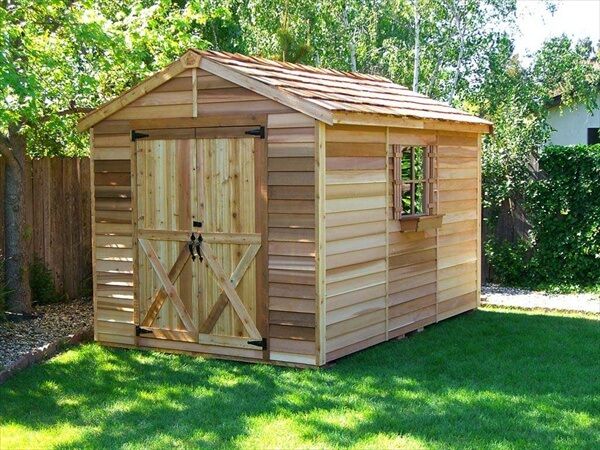
Building a Budget-Friendly Pallet Shed: A DIY Guide
Hey everyone! So, you're looking to build a shed, but your wallet's feeling a little…light? Don't worry, you're not alone! I've been there, and that's why I'm sharing my secret weapon: repurposed pallets. Building a sturdy shed from reclaimed pallets is totally doable, even for a beginner, and it's amazingly budget-friendly. Let's dive into how to make this happen!Planning Your Pallet Shed: Dream Big, Start Small
Before we get our hands dirty, we need a plan. This isn't about blueprints and architects, just a simple roadmap. Think about:Size and Purpose:
What will you store in your shed? Lawn equipment? Gardening supplies? A collection of vintage snow globes (no judgment)? The size depends entirely on your needs. A smaller shed is easier and quicker to build, perfect for a first-time DIYer. Start small, you can always build bigger later!
Location, Location, Location:
Where will your shed live? Make sure you have a level area with good drainage. Check your local building codes â€" some areas have restrictions on shed size and placement. Also, consider sunlight; you might want a sunny spot for drying tools or a shady one to protect stored items.
Pallet Sourcing:
This is the fun part (and the money-saving part!). Look for free pallets online, at local businesses (ask nicely!), or even check out your neighborhood's curbside trash. Make sure they're in decent condition; broken or rotting pallets won't cut it. You'll need a good number, depending on the size of your shed. Aim for pallets that are structurally sound â€" you can even inspect them closely before taking them.
Gathering Your Materials: Keep it Simple
Forget fancy tools and expensive materials. We're keeping this super budget-friendly. You'll probably already have some of these items around the house!- Reclaimed Pallets: The stars of the show! Aim for at least 10-15 sturdy pallets, depending on the size of your shed.
- Hammer and Nails: Good old-fashioned tools. Use galvanized nails to resist rust.
- Screws and a Screwdriver (optional): Screws provide a stronger hold than nails, especially for critical joints.
- Measuring Tape and Level: Essential for accurate measurements and a level structure.
- Saw (hand saw or circular saw): For cutting pallets to size. A circular saw is quicker, but a hand saw works perfectly fine.
- Safety Glasses and Gloves: Always prioritize safety!
- Optional: Plywood for the roof (if you want a more weather-resistant roof), tarpaulin or roofing felt for added weather protection.
Construction: Building Your Pallet Fortress
This is where the magic happens. Remember, we're aiming for simple and sturdy. There are many ways to build a pallet shed, but here’s a basic approach:The Base:
Start with a solid base. You can either create a simple frame using more pallets laid flat, or if you have a level concrete slab or patio, you could set the structure directly on it. This simplifies the foundation significantly.
The Walls:
This is where you'll use most of your pallets. Stand them upright and attach them to each other using nails or screws. For extra stability, consider interweaving pallets for added strength. Think about how you want the doors and windows placed. You might need to cut some pallets to fit your design.
The Roof:
This is another area where you can get creative. The simplest option is to build a gabled roof using more pallets, arranging them to create an angled roofline. Again, securing them well is important. For more weather protection, you could add plywood on top, followed by a layer of tarpaulin or roofing felt.
Doors and Windows:
You can create doors and windows by strategically removing pallet slats or by constructing simple frames from additional pallet wood. For a more polished look, you could add hinges and a simple latch.
Finishing Touches:
Once the main structure is complete, you can add a few finishing touches. You could fill any gaps between the pallets with wood filler for a cleaner look. If you are concerned about weather resistance, you may want to apply a weather-resistant sealant to the pallets. You can also paint or stain your shed for added protection and aesthetics.
Tips and Tricks for Success
- Inspect your pallets carefully: Remove any loose nails or splinters before you start building.
- Pre-cut pallets: Measure everything out first to avoid mistakes during construction.
- Use extra support: Add extra bracing where necessary to make sure your structure is strong and stable.
- Work with a friend: Having an extra pair of hands always helps when lifting and positioning heavy pallets.
- Take breaks: Building a shed is hard work. Take breaks to avoid getting tired and making mistakes.
Commonly Asked Questions
Q: How long does it take to build a pallet shed?
A: The time it takes depends on the size and complexity of your shed, as well as your experience level. A small, simple shed might take a weekend, while a larger, more complex one could take several weekends.
Q: Are pallet sheds weatherproof?
A: Not without extra effort! Pallet wood is porous, so rain and moisture can penetrate. Adding a plywood roof and weatherproofing sealant dramatically increases its lifespan and weather resistance.
Q: Are pallet sheds safe?
A: Pallet sheds can be safe if built correctly with appropriate materials and secure construction techniques. Always prioritize safety by wearing appropriate safety gear and ensuring the structure is stable.
Q: What kind of permits do I need?
A: This depends on your local regulations. Check with your local building department before you start to avoid potential fines or problems later on.
Q: Can I use treated pallets?
A: While you *can* use treated pallets, be aware that some treatments contain chemicals that may be harmful to humans and the environment. If you choose to use treated pallets, ensure they are appropriate for outdoor use and follow safety precautions.
There you have it! Building a pallet shed is a rewarding experience that saves money and lets you get creative. Remember to prioritize safety and take your time. Happy building!


No comments:
Post a Comment
Note: Only a member of this blog may post a comment.