


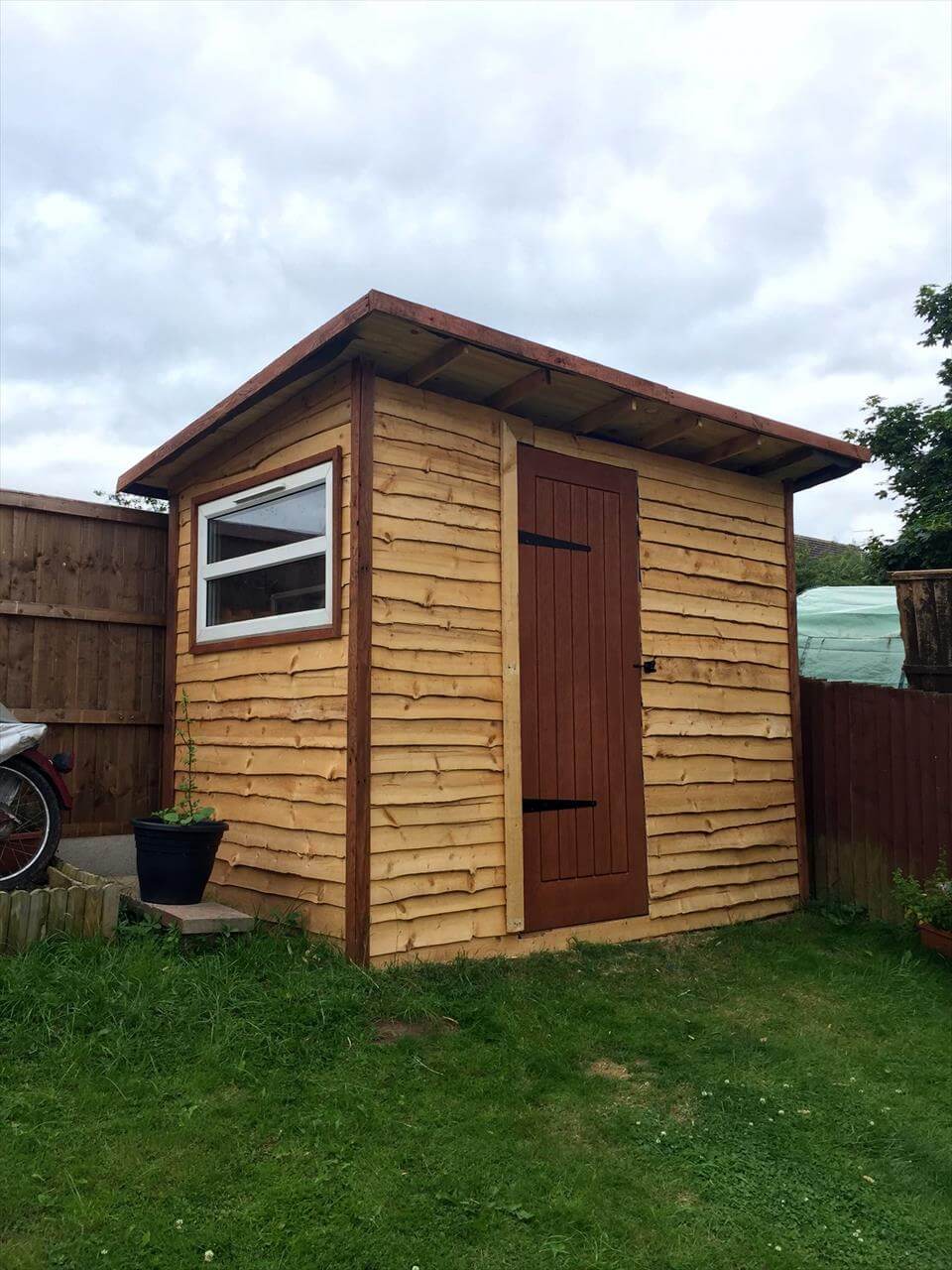
Build Your Dream Pallet Shed: A DIY Guide
Hey there, fellow DIY enthusiasts! So you're thinking about building a shed, but the prices at the big box stores are making your eyes water? I get it. That's why I'm here to share my secret: a super affordable and surprisingly stylish pallet shed! We're talking reclaimed wood, rustic charm, and a whole lot of satisfaction. Let’s dive in!Planning Your Pallet Paradise: The Foundation
Before we even think about hammering a nail, we need a plan. This isn't rocket science, but a little forethought goes a long way. Think about:Size and Location
How much stuff do you need to store? A small shed for gardening tools is different from a larger one for lawnmowers and bikes. Also, consider the location. Do you have a flat, level area? Good drainage is key, especially if you live somewhere with a lot of rain. You'll want easy access too, without having to navigate a thorny rose bush or a muddy patch.
Pallet Acquisition
This is the fun part (and maybe the slightly less fun part, depending on your scavenging skills!). You can often find free or cheap pallets behind businesses. Just make sure to get permission before taking any. Check for heat-treating stamps (HT or ISPM 15) â€" these indicate the pallets are treated and safe for reuse. Avoid pallets marked with "MB" (methyl bromide treatment) as this is a toxic fumigant. Aim for pallets that are in relatively good condition, avoiding those with extensive rot or damage.
Tools and Materials
Gather your arsenal! You'll need:
- Hammer
- Screwdriver (or drill with screwdriver bits)
- Measuring tape
- Level
- Saw (circular saw is easiest but a hand saw works too)
- Safety glasses
- Work gloves
- Pallet nails or screws (exterior-grade recommended)
- Optional: Power washer (to clean your pallets), roofing felt, paint or stain
Remember to adjust this list based on your specific design and the condition of your pallets. You might need additional materials for extra support or bracing, depending on the size and weight you intend to store.
Building the Bones: Assembling Your Pallet Shed
Okay, let's get building! This part is highly customizable, but here's a general approach:The Base
Start with a solid base. You can use concrete blocks, pressure-treated lumber, or even a well-packed gravel base depending on your budget and ground conditions. Make sure your base is level and large enough to support the entire shed.
The Walls
This is where your pallets come in. You can use them whole, or disassemble them and rebuild the walls as you see fit. I generally prefer to use them whole, creating a rustic look. For stability, start by securing the bottom pallets to your base using nails or screws. Then, add the next layer, ensuring they are properly aligned and snug. Continue stacking until you reach the desired height. Make sure the walls are plumb and secured well as you progress. Consider bracing with additional wood supports if needed, especially for taller sheds.
The Roof
The roof is the most important part concerning weather protection. A simple gable roof is relatively easy to construct. You'll need to cut some additional lumber to form the roof rafters. Support these rafters on the top of the walls and connect them at the peak. You can then cover the roof with roofing felt, corrugated metal, or even recycled materials like tarps (for a more temporary shed). Ideally, consider how much weight the roof structure can support.
The Door
For the door, you can use a section of pallets, or even build a frame and cover it with wood planks or plywood. Remember to install hinges and a latch for security. Consider adding weather stripping around your door to reduce drafts.
Finishing Touches: Adding Some Flair
Once the structure is up, you can personalize it! Consider these finishing touches:
- Cleaning: Give the pallets a good scrub with a power washer to remove dirt and debris.
- Painting or Staining: Enhance the appearance and protect the wood from the elements with a coat of weather-resistant paint or stain. Choose a color that complements your surroundings.
- Shelving: Add some simple shelving inside to maximize storage space.
- Lighting: Install a simple light fixture for better visibility inside the shed.
- Ventilation: Create some vents at the top and bottom of the shed for better air circulation to prevent moisture buildup.
Frequently Asked Questions
Here are some common questions I get about building pallet sheds:
Q: How long does it take to build a pallet shed?
A: That depends on the size and complexity, but a basic shed can be built in a weekend with some help. A larger, more detailed project could take several days or even weeks.
Q: Are pallet sheds strong enough?
A: With proper construction and bracing, a pallet shed can be surprisingly sturdy. It's important to use quality pallets and secure them well. Don't overload it with heavy items.
Q: How long will a pallet shed last?
A: The lifespan depends on several factors including the quality of the pallets, weather conditions, and the type of roof and paint/stain used. With proper maintenance, you can expect a few years of good service, possibly longer.
Q: Can I use any type of pallet?
A: No. Avoid pallets marked with "MB" (methyl bromide) which indicates a toxic fumigant. Look for heat-treated pallets (HT or ISPM 15).
Q: Do I need a permit to build a pallet shed?
A: Building codes vary by location. Check with your local authorities before starting construction to see if a permit is required. This could also influence size, materials and sturdiness requirements.
And there you have it! Building your own pallet shed is a rewarding project that can save you a bundle and give you a unique outdoor storage solution. Remember to prioritize safety, plan carefully, and enjoy the process! Happy building!


No comments:
Post a Comment
Note: Only a member of this blog may post a comment.