


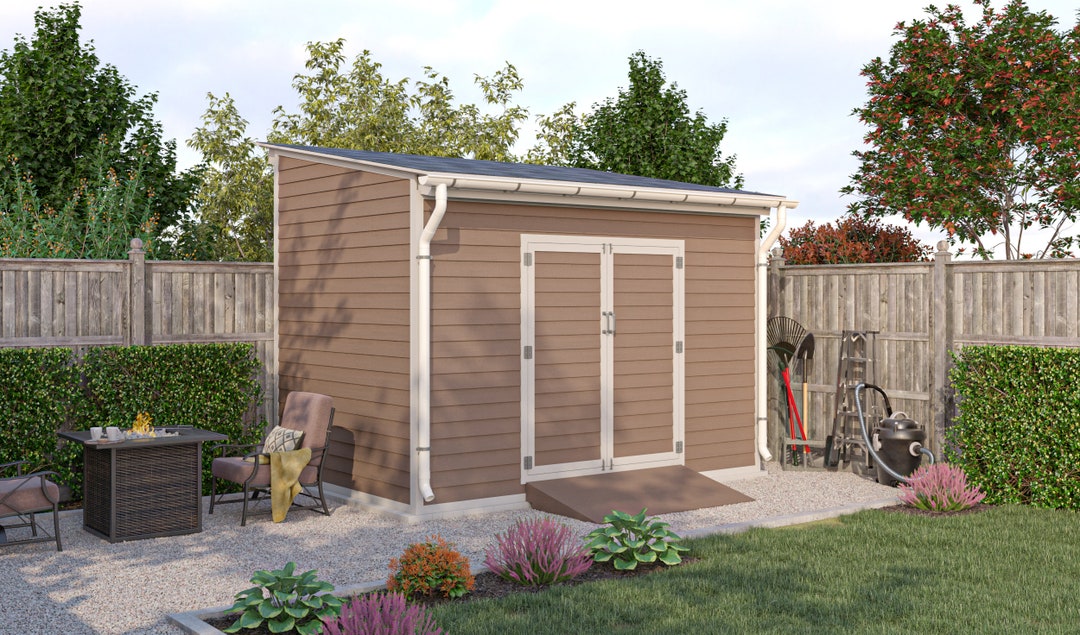
Affordable 8x12 Lean-To Storage Shed Plans for Practical Outdoor Storage
The need for efficient and affordable outdoor storage solutions is a common concern for homeowners and property owners alike. A lean-to shed, attached to an existing structure like a house, garage, or barn, offers a practical and cost-effective alternative to freestanding sheds. This article presents comprehensive plans for constructing an 8x12 lean-to shed, emphasizing affordability and practicality while maintaining structural integrity and weather resistance.
I. Planning and Design Considerations
Before commencing construction, meticulous planning is crucial to ensure the shed aligns with your needs and local building codes. This phase involves several key considerations:
A. Site Selection and Preparation
Choosing the appropriate location for your lean-to is paramount. Factors to consider include:
- Proximity to the existing structure: Minimize the distance between the shed and the supporting structure to reduce material costs and construction complexity.
- Ground conditions: Assess the ground for stability. Leveling the ground is essential for a structurally sound foundation.
- Accessibility: Ensure easy access to the shed for loading and unloading items.
- Sunlight and drainage: Consider sunlight exposure and drainage to prevent moisture buildup and potential rot.
B. Materials Selection and Cost Optimization
Selecting cost-effective materials without compromising quality is key to achieving an affordable build. Consider the following:
- Pressure-treated lumber: Opt for pressure-treated lumber for the foundation, framing, and exterior cladding to enhance durability and resistance to rot and insects. Consider purchasing lumber in bulk for potential discounts.
- Recycled or reclaimed materials: Explore the possibility of using recycled or reclaimed materials where feasible, such as for siding or roofing.
- Roofing material: Choose an affordable roofing material that provides adequate protection from the elements. Options include asphalt shingles, metal roofing, or even corrugated plastic sheets.
- Fasteners: Utilize galvanized or stainless steel fasteners to resist rust and corrosion.
C. Building Codes and Permits
It is imperative to check with your local building department regarding building codes and permit requirements. Some jurisdictions require permits for even small structures like lean-to sheds. Failure to obtain necessary permits could result in fines or even demolition orders.
II. Foundation and Framing
A solid foundation is critical for the longevity and stability of your lean-to shed. The framing provides the structural support for the walls and roof.
A. Foundation Construction
Several foundation options exist, ranging from simple concrete footings to more elaborate concrete slabs. For an 8x12 lean-to, a cost-effective approach might involve using concrete blocks or treated lumber as a base. Ensure the foundation is level and plumb to prevent structural issues later.
- Concrete Block Foundation: This involves laying a layer of concrete blocks, creating a level base for the floor joists. Ensure proper drainage around the foundation.
- Pressure-Treated Lumber Foundation: Use pressure-treated 4x4 or 6x6 lumber to create a frame for the floor, resting on compacted gravel.
B. Framing the Walls and Roof
The framing of the walls and roof forms the skeleton of the shed. Accurate measurements and precise cuts are vital for a structurally sound building.
- Wall Framing: Construct the walls using standard framing techniques, employing 2x4 or 2x6 studs spaced 16 inches on center. Ensure proper bracing to maintain stability.
- Roof Framing: Design a simple gable roof for efficient water runoff. Construct the rafters using appropriately sized lumber, ensuring adequate support and connection to the walls and supporting structure.
- Attaching to Existing Structure: Securely fasten the lean-to to the existing structure using appropriate connectors and fasteners. This crucial step ensures the shed's stability and prevents movement.
III. Exterior Cladding, Roofing, and Finishing
The exterior cladding and roofing provide weather protection, while finishing touches enhance aesthetics and functionality.
A. Exterior Wall Cladding
Various materials can be used for exterior wall cladding, balancing cost and durability. Options include:
- Wood Siding: Provides a classic look but requires regular maintenance.
- Vinyl Siding: Offers low maintenance and a variety of colors but can be more expensive.
- Metal Siding: Durable and long-lasting but can be more costly initially.
B. Roofing Installation
Proper roofing installation is essential for protecting the shed's contents from the elements. Ensure proper underlayment is installed to prevent leaks. Consider the following roofing options:
- Asphalt Shingles: A cost-effective and widely available option.
- Metal Roofing: Durable and long-lasting but can be more expensive.
C. Finishing Touches
Adding finishing touches enhances the shed's functionality and aesthetics:
- Doors and Windows: Install a sturdy door and potentially a window for ventilation and light.
- Shelving and Storage Solutions: Incorporate interior shelving or storage solutions to maximize space utilization.
- Painting or Staining: Apply a protective layer of paint or stain to enhance the shed's appearance and longevity.
IV. Safety Considerations
Throughout the construction process, prioritizing safety is paramount. Always follow safety regulations and use appropriate personal protective equipment (PPE), including:
- Safety Glasses: Protect eyes from debris.
- Work Gloves: Protect hands from cuts and splinters.
- Hearing Protection: Protect ears from loud noises from power tools.
- Dust Mask: Prevent inhalation of harmful dust particles.
Remember to always utilize proper lifting techniques to avoid injuries. If working at heights, ensure adequate safety measures are in place.
V. Conclusion
Constructing an affordable 8x12 lean-to shed offers a practical solution for enhancing outdoor storage capabilities. By carefully planning, selecting cost-effective materials, and adhering to safety protocols, you can create a durable and functional storage space that meets your specific needs. Remember to always consult local building codes and obtain necessary permits before commencing construction. This detailed plan provides a solid foundation for your project, but remember to adapt it to your specific requirements and available resources.


No comments:
Post a Comment
Note: Only a member of this blog may post a comment.