


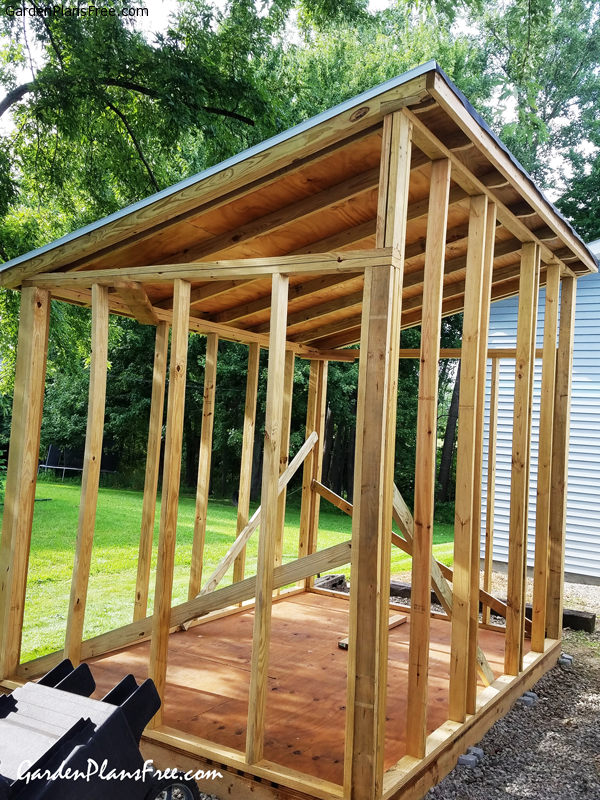
Affordable 8x12 Lean-To Shed Plans for Practical Outdoor Storage
The acquisition of adequate outdoor storage space often presents a significant challenge for homeowners. Traditional shed structures can be expensive, requiring substantial upfront investment in materials and professional labor. However, a lean-to shed, owing to its simpler design and reduced material requirements, presents a viable and cost-effective solution. This comprehensive guide provides detailed plans for constructing an affordable and functional 8x12 lean-to shed, ideal for various storage needs.
I. Planning and Design Considerations
Before embarking on the construction process, meticulous planning is paramount. This phase involves determining the shed's location, assessing local building codes, selecting appropriate materials, and preparing detailed blueprints.
A. Site Selection and Preparation
The chosen location should be level, accessible, and compliant with local zoning regulations. Consider proximity to existing structures, utilities, and potential drainage issues. A thorough site preparation involves clearing vegetation, leveling the ground, and potentially compacting the soil to ensure a stable foundation. Ensure that the area provides adequate sunlight for natural ventilation and reduces the risk of mold and mildew.
B. Building Codes and Permits
Familiarize yourself with local building codes and regulations concerning shed construction. These codes often stipulate requirements for size, setbacks, foundation type, and wind resistance. Depending on the specific regulations, a building permit may be necessary. Obtaining the necessary permits prior to commencing construction ensures compliance and avoids potential legal complications.
C. Material Selection and Cost Estimation
The selection of materials significantly impacts the overall cost and durability of the shed. Pressure-treated lumber is recommended for its resistance to rot and insect infestation. Consider using readily available and affordable materials, such as standard plywood for the walls and roofing. For roofing, asphalt shingles offer a cost-effective solution with good longevity. Develop a comprehensive materials list and obtain accurate cost estimates from local suppliers before initiating the project.
II. Foundation and Framing
A robust and level foundation is crucial for the long-term stability of the lean-to shed. The framing structure provides the skeletal support for the walls and roof.
A. Foundation Construction
For an 8x12 lean-to shed, a simple concrete slab foundation or a gravel base with pressure-treated lumber framing provides sufficient support. The concrete slab offers superior stability, but the gravel base represents a more economical alternative. Regardless of the foundation chosen, ensure it is perfectly level to prevent structural issues down the line. For a concrete slab, proper grading and compaction are necessary to prevent water accumulation.
B. Framing the Walls and Roof
The framing process involves constructing the wall and roof structures using pressure-treated lumber. For the walls, erect studs at 16-inch intervals, ensuring they are plumb and properly braced. The roof framing involves the construction of rafters, which are angled to provide proper water runoff. Consider using a simple gable roof design for ease of construction and efficient drainage. Properly fasten all framing members using appropriate nails or screws.
C. Lean-To Attachment
The lean-to design requires secure attachment to an existing structure. This attachment point should be robust enough to withstand the weight of the shed and potential wind loads. Use appropriate fasteners and techniques to ensure a strong and stable connection. Consider using metal brackets or reinforced beams to further strengthen the attachment.
III. Sheathing, Roofing, and Finishing
This phase involves enclosing the framed structure with sheathing, installing the roofing material, and adding any desired finishing touches.
A. Wall Sheathing and Siding
Cover the framed walls with plywood sheathing, ensuring proper alignment and fastening. Apply weather-resistant siding for improved aesthetics and protection from the elements. Consider using affordable options like vinyl or composite siding for a cost-effective yet durable finish. Proper caulking and sealing around windows and doors are essential to prevent water intrusion.
B. Roofing Installation
Install the roofing material according to the manufacturer's instructions. For asphalt shingles, ensure proper underlayment is used to prevent leaks. Maintain proper overlap between shingles to guarantee watertightness. Install the roofing felt under the shingles to provide an additional layer of protection against moisture. Proper ventilation is important to prevent the accumulation of moisture under the roof.
C. Finishing Touches
Once the structure is complete, consider adding finishing touches to enhance functionality and aesthetics. This may include installing a door, windows, and shelving inside the shed. A coat of exterior paint or stain protects the lumber and enhances the appearance. Consider adding hardware such as hooks or pegboards to optimize storage space.
IV. Cost Optimization Strategies
Constructing an affordable shed requires careful consideration of cost-saving measures without compromising structural integrity or longevity.
V. Conclusion
Constructing an 8x12 lean-to shed offers a practical and cost-effective solution for increasing outdoor storage capacity. By carefully planning, selecting appropriate materials, and utilizing cost-optimization strategies, homeowners can successfully build a functional and durable shed without exceeding their budget. Remember to prioritize safety throughout the entire construction process and always adhere to local building codes and regulations. With careful attention to detail and a commitment to diligent workmanship, the creation of a sturdy and affordable lean-to shed becomes a realistic and achievable endeavor.


No comments:
Post a Comment
Note: Only a member of this blog may post a comment.